Self-Awareness Is a Learning Journey with Good Road Maps
Self-Awareness Is a Learning Journey with Good Road Maps
Posted On: Wednesday, September 22, 2021

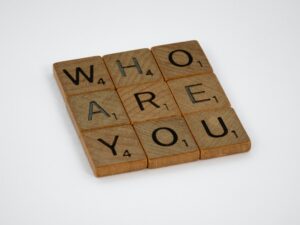
Photo by Brett Jordan
Olympian Simone Biles demonstrated deepened self-awareness when she withdrew from the Olympic competitions in Tokyo. She recognized where she was emotionally and chose well-being over more medals.
In challenging times (like now) stress/anxiety can trip our sense of balance into overwhelm. Our typical coping methods may not be enough. (Anxiety can also blur our ability to notice red flags or determine what’s ethical behavior.) Asking ourselves “who are you” and “what do you stand for” doesn’t help if we haven’t thought much about either. The big problem is most of us believe we’re more self-aware than we are. The reality, according to research, is only 10% to 15% of us meet the criteria.
We often know less than we think we do about ourselves and miss what could contribute to self-development and greater resilience. So how do we improve our percentages? Self-awareness is a learning journey with good road maps. We’ll look at several:
- the illusion of being present;
- organizational psychologist Tasha Eurich’s straightforward clarification of self-awareness and how to cultivate it; and
- the benefits of increasing knowledge about ourselves and ways to do it easily.
It’s a learning moment when we realize the degree to which we get in our own way; when what we think isn’t yet connected to how we act.
A literal meltdown
Early on a Saturday morning a few months ago, I was reading in bed Harvard professor Joseph Badaracco’s terrific book Step Back: How to Bring the Art of Reflection into Your Busy Life.
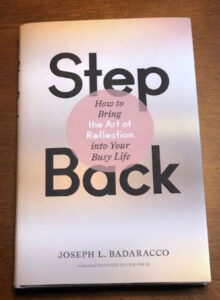
The alarm sounded, I threw back the comforter and started the day, which later included scooping up the comforter to be washed.
When the wash cycle ended and I pulled the comforter out to go into the dryer, I heard an unsettling plop. Step Back was flaking on the floor, beyond soaked. I rushed it to the sun on the deck hoping disaster could be mitigated. It couldn’t. Ironically, later I saw the last chapter was called “Pause and Measure Up.” I bought a new Step Back but I kept the soggy remnants for a while as a reminder.
What we need to understand about self-awareness
“Self-awareness isn’t one truth” according to organizational psychologist Tasha Eurich. “It’s a delicate balance of two distinct, even competing, viewpoints.” She describes the two viewpoints as:
- internal self-awareness (“…how clearly we see our own values, passions, aspirations, fit with our environment, reactions—including thoughts, feelings, behaviors, strengths and weakness – and impact on others;” and
- external self-awareness (how others view ourselves using the same factors (values, etc.) listed in internal self-awareness.
Eurich developed four leadership models: leaders high in internal awareness and low in external awareness; leaders high in both internal and external awareness; leaders high in external awareness and low in internal awareness; and leaders low in both internal and external awareness.
According to her research “aware” leaders (that 10% to 15% who are high in both internal and external awareness) know who they are and what they want to accomplish. They challenge their own views and blind spots by seeking out feedback (from people who care enough about them to tell them the truth). They look for and value others’ opinions. They see themselves with clarity as well as understand how others see them based on feedback they encourage.
In Eurich’s interviews, the team found that people who improved their internal and external self-awareness did so by requesting critical, direct feedback of what they could do differently from those above and below them.
Selected Resources
The free resources below are focused on supporting our internal self-awareness. They don’t take much time but offer a way to deepen our knowledge about ourselves:
- Barrett’s Values Center’s Personal Values Assessment is a quick assessment that creates a context for understanding more about the values you select and their influence on decisions and actions;
- VIA Character Strengths Survey: “Character strengths are the positive parts of your personality that impact how you think, feel and behave.” Based on some information you provide your character strengths are identified and ranked; and
- The University of Pennsylvania Authentic Happiness website’s questionnaire test center offers over 25 assessments to choose from, primarily related to wellbeing.
We need to know more facets of who we are, what we stand for, our limits and how we’re seen by others. It’s a learning journey that builds resilience and greater possibility.

Gael O’Brien is a catalyst for leaders leading with purpose and impact. She is an executive coach with a corporate and public affairs background. Gael is President of Strategic Opportunities Group.
Posts by Category
Archive
Most Recent
Gael developed a very effective research-based professional development program using creative real-life scenarios to help business coaches better understand when to recognize potential ethical conflicts. Her program energized and enlightened both new and “seasoned” coaches. The event was recognized as the highlight of the year.